
by Scott Sanders
Mental health isn’t a static thing; it breathes and bends with the rhythm of your daily life. When you’re looking for ways to strengthen that inner resilience, sometimes the most effective approaches aren’t the obvious ones. Instead of rehearsing the same routines, you can invite practices that shift perspective, spark creativity, and offer comfort in surprising ways. These unique pathways don’t replace professional care, but they can add texture to the broader picture of emotional well-being. Each practice speaks in its own language — through movement, scent, sound, or silence. The key is to listen and let the body and mind respond on their own terms.
Art as a Vessel for Healing
Long before therapy had textbooks, people used art to work through what couldn’t be spoken. Paint, music, and movement hold a kind of clarity that words sometimes miss. Clinical circles have been paying attention, showing how tapping into expressive arts healing helps people uncover emotions buried beneath everyday masks. When you create — whether by sketching, drumming, or even sculpting clay — you offer your nervous system a safe detour away from constant analysis. The process itself matters more than the product, because self-expression shifts the mind from problem loops into possibility space. Over time, this practice can restore a quiet confidence, reminding you that expression can soothe just as much as it can communicate.
The Power of Essential Oils
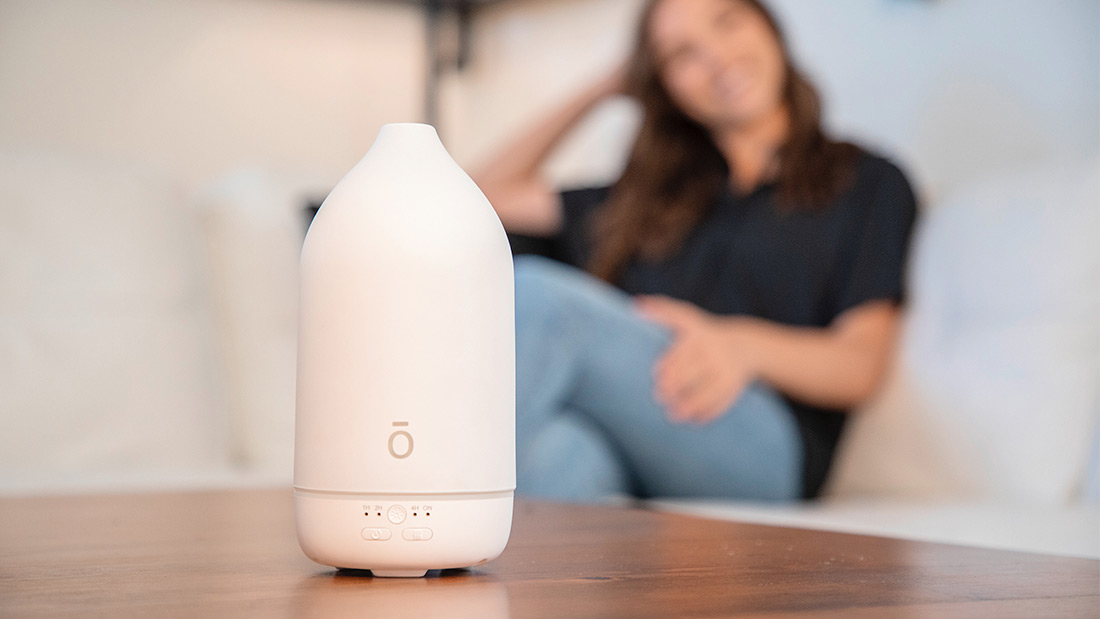
Your brain has no direct filter against aroma; scents move straight into the limbic system, the seat of emotion and memory. This is why certain smells can calm panic or stir nostalgia instantly. Research into plant extracts shows that scents altering mental balance gently may influence mood, ease tension, and even enhance cognitive performance. Imagine lavender guiding you into sleep, or rosemary sharpening focus during long hours of work. Aromatherapy supports your body by opening another sensory doorway into mental stability. By using scent intentionally, you allow an invisible ally to join your mental health routine, working quietly in the background of your daily life.
Plant-Based Solutions for Calm
Among the newer plant-based entries into mental health conversations is THCa, a cannabinoid that offers potential without the psychoactive buzz of THC. For those curious about cannabis-derived wellness, THCa provides a gentler starting point. Products like THCa diamonds deliver concentrated purity, and for people seeking alternative routes to mental balance, this is worth exploring. Early accounts suggest roles in easing discomfort and promoting relaxation, though the science is still racing to catch up with consumer experience. The key lies in thoughtful integration, treating THCa as one piece of a broader self-care puzzle. Its rise reflects a cultural shift where plant-based compounds are being re-examined with fresh eyes and open minds. There is an essential oil called Copaiba that also binds to the endocannabinoid receptors, which relaxes and eases discomfort. The purity and potency is the same in every bottle, making a great choice for consistency in daily life.
Written Word as a Mirror
Journaling has always carried a reputation for teenagers with diaries, but its potential runs much deeper. Research continues to demonstrate that writing emotions reshapes your mind, not only as a record of events but as an act of re-framing. Putting your thoughts on paper allows your prefrontal cortex to slow the storm of unfiltered reactions. That act alone can transform tangled worry into something organized, something that looks less impossible once it’s pinned to the page. The language doesn’t have to be elegant; scribbles and fragments often carry the most power. Through journaling, you turn raw emotion into material your mind can revisit and re-evaluate, giving space for perspective and healing.
Bringing Nature Indoors
Not everyone has a forest or beach within reach, but the psychological lift of nature doesn’t require a long trip. Studies reveal that even simple interventions — houseplants, water features, natural light — can mimic the restorative effects of the outdoors. Evidence from research into environmental psychology shows that bringing nature in gives solace, calming both attention and emotion. A fern on the desk, a soft lamp mimicking daylight, or a quiet fountain can shift an entire room’s emotional climate. What seems like decoration actually becomes a mental ally, softening the sharp edges of stress. These small environmental tweaks stack together, creating a more forgiving space for your mind to recover. Diffusing Shinrin-Yoku Oil, inspired by the health practice of forest bathing, brings the aroma of the outdoors into your indoor space.
Mindful Movement
Sometimes the mind finds its calm not in stillness, but in motion. Practices like yoga, tai chi, and qigong intertwine breath with gentle posture, creating a loop of awareness between body and thought. Research has shown that mindfulness flowing through movement reduces anxiety and improves self-regulation, making it a dynamic form of meditation. As you step, stretch, or sway, your nervous system tunes into rhythm, breaking cycles of rumination. Unlike exercise aimed at endurance or strength, mindful movement centers on presence — the felt sense of here and now. This embodied practice reminds you that serenity isn’t always found by sitting still; it can be carried inside the steps themselves.
Gentle Tapping for Stress Release
There’s a curious technique where you gently tap certain points of your body while focusing on what disturbs you. Known as Emotional Freedom Technique, it combines principles of acupuncture with cognitive reframing. Practitioners argue that tapping away tension physically can quiet anxiety and bring a surprising sense of relief. The rhythm of tapping provides a tactile anchor, while the verbal focus gives your mind a structured outlet. It feels unorthodox at first, but repetition builds familiarity, and the results can be profound for those who resonate with it. Like drumming fingers on a desk but with intention, tapping can redirect nervous energy into grounded calm.
Mental health thrives on variety, not monotony. What works for one person might miss the mark for another, but having a palette of practices opens more doors. By experimenting with art, writing, scent, movement, tapping, and plant-based supports, you create a toolkit that feels personal rather than prescriptive. These methods can stand alone or weave together, each one amplifying the others in subtle ways. The rhythm of healing isn’t linear, and these unique pathways honor that unpredictability. When you step into them with openness, you give yourself permission to find calm in places you may never have expected.
Discover the transformative power of essential oils and holistic living by visiting GRACE Essential Oils Education Page for expert insights and daily wellness inspiration!

 Essential Oils