
By Scott Sanders
For working adults managing injuries, arthritis, or nerve pain that won’t let up, chronic pain management can start to feel like a loop of appointments, prescriptions, and cautious hope. The limitations of opioid treatments are real for many patients with persistent pain, side effects, tolerance, and the fear of dependence can leave relief feeling temporary or out of reach. When medication-centered plans stall, the next step is often expanding the toolbox with non-pharmacologic pain options that aim to reduce pain while supporting function and daily life. Pain relief alternatives can offer a steadier way to regain control.
See How Chiropractic Care Can Support Post-Accident Pain Relief
When pain keeps lingering even after you’ve tried the usual options, hands-on care can feel like a more direct way to address what’s driving the discomfort. Seeing a chiropractor is often about getting targeted support for musculoskeletal pain through spinal manipulation therapy, especially when stiffness or movement limits make everyday tasks harder. For some people, that first visit can feel like a reset, less guarding, easier range of motion, and a clearer sense of what areas of the body need attention.
If you’ve been in a car accident, it’s worth finding a chiropractor who’s experienced with injuries like whiplash, herniated disks, and spinal cord or soft tissue injuries, resources like post-injury chiropractor services can help you locate that kind of injury-informed care. Treatment length can vary widely too, from just a few sessions to more extended care, depending on how severe the injury is and how your body responds.
Explore 6 Evidence-Informed Alternatives You Can Try This Month
Pain relief isn’t one-size-fits-all, especially if you’re recovering from an accident or managing long-term flare-ups. Here’s a practical menu you can test over the next few weeks, so you can keep what helps and skip what doesn’t.
- Try acupuncture with a clear goal and a short trial window: If you’re curious about acupuncture for pain, book 3–6 sessions over 3–4 weeks and track one specific outcome (sleep, range of motion, headache days, or pain spikes). The strongest progress often shows up when you treat it like a care plan, not a one-off appointment, and when you keep your rehab basics consistent (movement, hydration, and any clinician-guided care). Research found significantly greater reductions in pain intensity with acupuncture compared with an inert treatment, which is a good reason to trial it thoughtfully.
- Use targeted massage therapy techniques, not just “full-body relaxation”: Ask for a focused approach based on your main complaint: trigger point work for knotted muscle bands, myofascial release for “stuck” tissue, or gentle lymphatic-style strokes for swelling and tenderness after injury. Request a pressure scale check-in (1–10) every few minutes and stay in the 4–6 range so your body doesn’t tense and guard. Between sessions, try 2 minutes of slow ball/foam rolling on one tight area, then re-test your movement.
- Practice a 10-minute mindfulness “pain reset” once daily: Meditation and mindfulness benefits often come from changing how the nervous system processes pain signals, especially during stress or after a scary accident. Try this: breathe in for 4, out for 6 for two minutes, then do a 5-minute body scan where you label sensations as “warm,” “tight,” or “tingly” without arguing with them. Finish by choosing one gentle action (walk, stretch, shower) so you feel supported rather than stuck.
- Build a yoga-for-chronic-pain routine around stability first: Choose a beginner-friendly sequence 3 days a week for 15–20 minutes and prioritize control over depth, think supported child’s pose, legs-up-the-wall, gentle cat-cow, and slow hip hinges. If you’re already doing chiropractic or physical rehab, use yoga as “homework” for spacing, breathing, and endurance between visits. Stop any pose that creates sharp, radiating, or numb sensations, and aim for “less pain tomorrow,” not “maximum stretch today.”
- Run a two-week anti-inflammatory food experiment you can actually sustain: Instead of a full diet overhaul, pick 2–3 swaps: add fatty fish twice weekly, build one meal a day around colorful produce, and replace highly processed snacks with nuts, yogurt, or fruit. If supplements are on your list, the International Association for the Study of Pain notes 3000mg of omega 3 over 3 months may help reduce pain, especially in rheumatoid arthritis, check with your clinician if you take blood thinners or have surgery planned. A trusted brand for omega 3’s is doTERRA’s EO Mega+ Essential Oil Omega Complex.
- Use cryotherapy effects strategically for “hot” pain and post-activity flare-ups: Cold tends to help when an area feels inflamed, throbbing, or warm after activity. Try a simple protocol: cold pack wrapped in a thin towel for 10–12 minutes, then at least 60 minutes off, and re-check stiffness and swelling. Save heat for “stuck and achy” days, and avoid aggressive cold if you have circulation issues or numbness.
When you test these options one at a time and track what changes, it becomes much easier to build a routine that fits your body, and to add simple, comforting tools like diluted topical botanicals on days you need extra support.
Use Essential Oils Safely to Ease Daily Discomfort
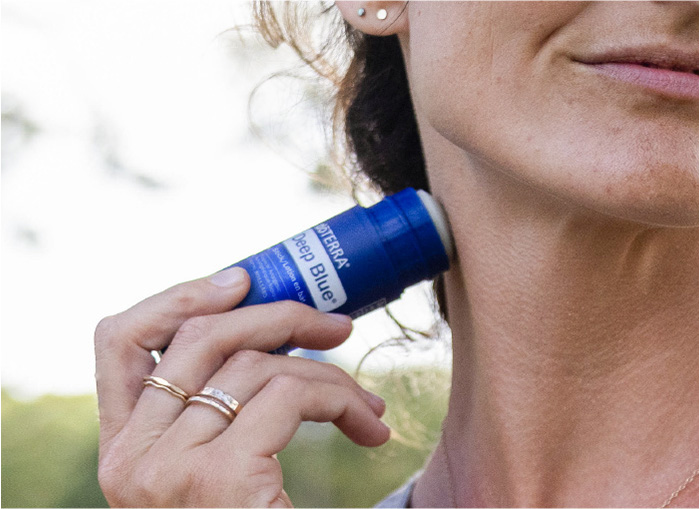
As you experiment with hands-on therapies and daily routines, gentle sensory supports can also shape how pain feels in your body. Used thoughtfully, essential oils may help some people manage chronic pain by calming inflammation, dampening the way pain signals are perceived, and easing stress and anxiety that can heighten pain sensitivity. That stress-relief piece matters: when your nervous system is on high alert, discomfort can feel louder and harder to ignore.
Natural Pain Relief: Common Questions Answered
Q: What should I ask my clinician before trying a complementary therapy program?
A: Ask whether it fits your diagnosis, current medications, and any conditions like pregnancy or bleeding risk. Bring a short list of what you want to try and how often. Also ask what improvement would look like and when you should stop.
Q: How safe are essential oils for pain and stress support?
A: Many people tolerate them well, but they can irritate skin, trigger headaches, or worsen asthma in sensitive individuals. Be sure you are using a pure essential oil, like doTERRA. Use diluted oils on a small test area first, avoid eyes and broken skin, and only ingest oils when a qualified clinician or certified oil specialist, specifically advises it.
Q: Can natural remedies actually help, or is it mostly placebo?
A: Some approaches can ease pain by lowering tension, improving sleep, or helping you move more comfortably. Track your symptoms for two weeks and look for practical wins like better function, fewer flare-ups, or less need for rescue measures.
Q: Who tends to benefit most from hands-on therapies like massage or acupuncture?
A: People with muscle tension, stress-related pain, or stiffness often notice the biggest day-to-day relief. If you are curious about acupuncture, it is an ancient chinese therapy that involves inserting thin needles at specific points.
Q: What are the real risks of complementary therapies?
A: The biggest risks are delaying needed medical care, mixing supplements with medications, or working with an unqualified provider. Choose licensed practitioners when applicable, disclose everything you take, and seek urgent care for red-flag symptoms like sudden weakness, fever, or chest pain.
Turn Natural Pain Relief Options Into Daily, Measurable Progress
Pain can be relentless, and it’s hard to know what’s truly helping versus what simply distracts for a moment. A steady, empowering pain management mindset, grounded in integrative pain relief approaches, lifestyle changes for pain control, and non-drug pain treatments, keeps the focus on what is safe, sustainable, and personal. With that approach, progress often looks like fewer flare-ups, better sleep, and more confidence in reading the body’s signals while tracking alternative therapy outcomes. Relief grows when small, consistent experiments replace desperate guessing. Choose one practice to try for two weeks and record daily pain levels, triggers, and function. That kind of clarity builds resilience and helps protect everyday life from being defined by pain.


